

Siete stanchi dei programmi fedeltà che sembrano più transazioni che relazioni? In un mondo di infinite possibilità, sconti e punti non bastano più a fidelizzare i clienti. Il vero segreto per una fedeltà duratura sta nel creare autentici legami emotivi: offrire esperienze memorabili, un servizio impeccabile e dimostrare di considerare i clienti come persone, non solo come numeri di vendita. È ora di smettere di "noleggiare" la fedeltà e iniziare a guadagnarsela.
Il divario crescente nella fedeltà dei clienti
Parliamoci chiaro: la maggior parte delle aziende pensa che i propri clienti siano molto più fedeli di quanto non lo siano in realtà. Si sta creando un divario crescente tra la percezione che le aziende hanno della fedeltà dei clienti e ciò che questi provano realmente, un divario che può seriamente incidere sul fatturato delle PMI del Regno Unito. Gli alti punteggi di soddisfazione, un tempo motivo di vanto, non sono più una garanzia affidabile di acquisti ripetuti.
Oggi i clienti hanno l'imbarazzo della scelta. La loro fedeltà non si conquista più solo con un buon prodotto o un prezzo competitivo. Si guadagna con la fiducia, la condivisione di valori e un vero e proprio legame umano. Questo cambiamento fondamentale richiede un nuovo approccio, che consideri l'intero percorso del cliente, non solo la fase di acquisto.
Perché la tua percezione della lealtà potrebbe essere errata
Una recente ricerca mette in luce questa discrepanza in modo inequivocabile. Uno studio del Qualtrics XM Institute ha rilevato che, mentre ben nove dirigenti su dieci ritengono che la fedeltà dei clienti sia aumentata , solo quattro consumatori su dieci la pensano allo stesso modo. Si tratta di un enorme divario di percezione. Lo stesso studio ha rivelato che il 52% dei consumatori ha abbandonato un marchio dopo un'esperienza negativa .
Il messaggio per le aziende del Regno Unito non potrebbe essere più chiaro: dare per scontato che i clienti soddisfatti siano automaticamente clienti fedeli è un gioco pericoloso. Serve un modello moderno costruito su fondamenta molto più solide.
Ecco una rapida panoramica dei pilastri che sostengono davvero la fidelizzazione del cliente nell'era moderna. Non si tratta semplicemente di accumulare punti, ma di costruire una relazione duratura.
Il moderno modello di fidelizzazione del cliente
| Pilastro | Obiettivo principale | Esempio di azione |
|---|---|---|
| Connessione emotiva | Coltivate un rapporto che vada oltre il semplice acquisto. | Un biglietto di ringraziamento scritto a mano allegato a un ordine o uno sconto a sorpresa per il compleanno. |
| Valore costante | Offrire esperienze eccezionali in ogni punto di contatto. | Procedura di reso semplice, assistenza clienti proattiva e contenuti utili. |
| Apprezzamento autentico | Dimostra sincera gratitudine attraverso gesti premurosi. | Articoli promozionali di alta qualità con il logo aziendale, ideali come regalo di benvenuto per i nuovi assunti o come omaggio per fiere di settore. |
In definitiva, tutto si riduce a capire che la lealtà è un risultato, non un parametro che si può imporre.
La sfida principale non è solo fidelizzare i clienti, ma colmare il divario tra ciò che si pensa li renda fedeli e ciò che lo è realmente . La vera fedeltà è il risultato di esperienze emotive positive e costanti, non solo un conteggio di acquisti ripetuti.
Colmare il divario con punti di contatto strategici
Come si può quindi iniziare concretamente a colmare questo divario in termini di fidelizzazione? Il segreto sta nel trasformare le interazioni di routine in momenti memorabili. È qui che punti di contatto strategici e tangibili possono fare la differenza. Pensate all'impatto di una penna di alta qualità con il logo aziendale inclusa nel kit di benvenuto o di un'elegante borsa in tela offerta come ringraziamento. Questi oggetti creano una connessione fisica che un sistema di punti digitale non può replicare.
Questi oggetti diventano un costante e positivo promemoria del vostro marchio, integrandolo nella vita quotidiana del cliente. Trasformano una semplice transazione in un gesto di sincero apprezzamento, creando quel tipo di fidelizzazione che non solo garantisce la lealtà a lungo termine, ma contribuisce anche ad aumentare la notorietà del vostro marchio . Concentrandovi su queste connessioni significative, potrete finalmente iniziare a colmare il divario tra percezione e realtà.
Progettare un programma fedeltà che i clienti apprezzino davvero
Siamo onesti, la fragile tessera a punti che finisce per perdersi in fondo alla borsa non basta più. Se vuoi davvero fidelizzare i clienti, il tuo programma deve sembrare meno una semplice transazione e più una vera e propria relazione. Un programma ben progettato non si limita a distribuire sconti a caso; dimostra ai clienti che li vedi e che apprezzi la loro fedeltà.
Prima di iniziare qualsiasi altra attività, è fondamentale definire un obiettivo chiaro. Cosa si vuole ottenere? Si vuole forse incentivare i clienti ad acquistare più spesso? Si spera di incrementare del 20% il valore medio degli ordini? O magari si desidera incoraggiarli a provare una nuova linea di prodotti? Definire con precisione l'obiettivo fin dall'inizio significa che ogni fase del programma sarà orientata nella stessa direzione, verso un risultato concretamente misurabile.
Si tratta di colmare il "divario di fedeltà", ovvero la fin troppo comune discrepanza tra ciò che un'azienda pensa di fare e ciò che il cliente percepisce realmente.
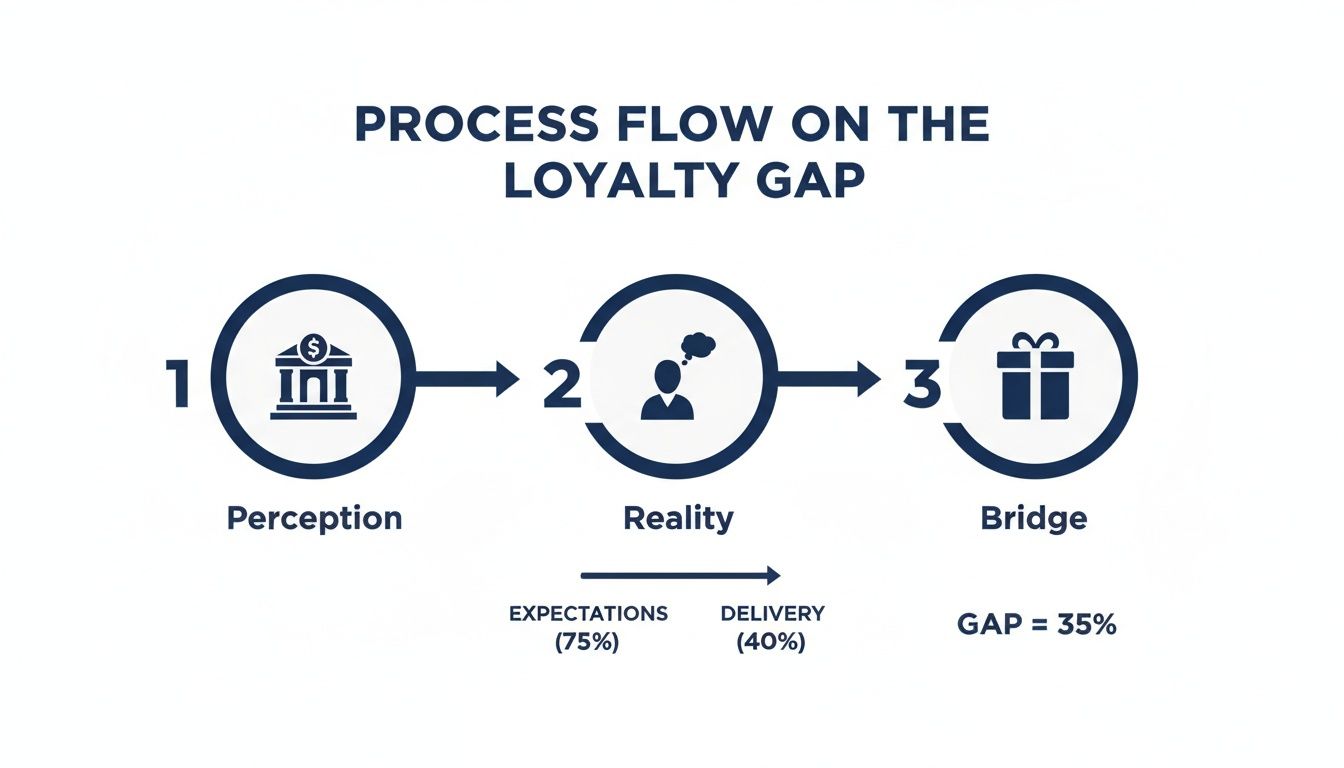
Come potete vedere, mentre le aziende tendono a concentrarsi sui propri sforzi, i clienti giudicano l'esperienza in base al valore e al riconoscimento che ricevono. Le ricompense tangibili sono uno dei modi più efficaci per connettere questi due mondi.
Scegliere la struttura del programma più adatta
Una volta definiti i tuoi obiettivi, è il momento di scegliere una struttura che abbia senso per la tua attività e, soprattutto, per i tuoi clienti. Non esiste un'unica risposta giusta, quindi rifletti attentamente su cosa motiverebbe davvero il tuo pubblico.
- Sistemi a punti: un classico per un motivo ben preciso. I clienti accumulano punti in base alla spesa effettuata, che possono poi convertire in premi. È semplice, efficace e funziona benissimo per le attività commerciali con acquisti frequenti e di piccolo importo, come una caffetteria locale o un negozio di accessori online.
- Programmi a livelli: questi programmi creano un fantastico senso di realizzazione ed esclusività. Man mano che i clienti spendono di più, sbloccano vantaggi migliori, passando dal livello bronzo a quello argento e infine a quello oro. È un modo fantastico per incentivare una maggiore spesa e far sentire i clienti più affezionati come i VIP che sono.
- Programmi basati sui valori: questo sposta l'attenzione dalla spesa ai principi condivisi. Per ogni acquisto, ad esempio, si potrebbe fare una donazione a un ente di beneficenza o contribuire a un progetto ambientale. In questo modo si crea un legame molto più profondo che va oltre la semplice transazione.
Se stai cercando una solida struttura di partenza, soprattutto per un'attività online, questa guida alla creazione di un programma fedeltà per l'e-commerce è ricca di consigli pratici.
Rendere i premi percepiti come personali e meritati
Ecco dove avviene la vera magia. Uno sconto generico è piacevole, ma è anche facilmente dimenticabile. Un premio pensato con cura e tangibile, al contrario, crea un'impressione duratura. Il trucco sta nel far sì che il premio venga percepito come un vero e proprio regalo, non come una palese trovata di marketing.
Un programma fedeltà non dovrebbe limitarsi a premiare la spesa, ma dovrebbe celebrare l'impegno del cliente nei confronti del marchio. I premi migliori sono quelli che hanno un elevato valore percepito e integrano il marchio nella vita quotidiana del cliente.
È qui che i prodotti di marca di qualità danno il meglio di sé. Invece del solito buono sconto del 10%, pensate a offrire qualcosa di memorabile.
Analizziamo uno scenario reale: Una libreria indipendente vuole incentivare la fidelizzazione dei clienti. Invece di un semplice sconto dopo dieci acquisti, offre una borsa di tela di alta qualità e dal design accattivante, personalizzata con il logo del negozio. Improvvisamente, i clienti sono entusiasti di guadagnarsela. E una volta ottenuta, la usano per la spesa settimanale, la portano al parco e sull'autobus, offrendo alla libreria una pubblicità gratuita e ambulante. La borsa è utile, desiderabile e un costante promemoria della loro libreria preferita.
Quel semplice cambiamento trasforma uno sconto temporaneo in un simbolo duraturo di fedeltà.
Integrare strategicamente i premi tangibili
Il vantaggio principale è che puoi integrare premi tangibili in qualsiasi tipo di programma, rendendolo più efficace. Creano un legame fisico con il tuo marchio che i punti digitali semplicemente non possono eguagliare.
Ecco alcuni esempi in cui ho visto questo metodo dare ottimi risultati:
- Regali di benvenuto: Un nuovo cliente si affida alla tua società di consulenza. Immagina che riceva un kit di benvenuto di alta qualità con un'agenda pregiata e un'elegante penna in metallo, entrambe personalizzate con il tuo logo. Questo comunica immediatamente la qualità del tuo marchio e la tua attenzione ai dettagli.
- Premi per traguardi: festeggia il primo anniversario di un cliente inviandogli un regalo a sorpresa, come una tazza da viaggio personalizzata o un portachiavi elegante. Un gesto inaspettato come questo può trasformare un cliente soddisfatto in un vero e proprio sostenitore del marchio.
- Contenuti esclusivi di alto livello: riserva i tuoi prodotti migliori ai clienti più fedeli con un programma a livelli. Raggiungere il livello "platino" potrebbe sbloccare un articolo esclusivo non disponibile per la vendita, rafforzando ulteriormente il loro status VIP.
Concentrandoti su premi che offrono una reale utilità e rispecchiano gli standard del tuo marchio, trasformerai il tuo programma fedeltà da una semplice tattica di marketing in un potente strumento per costruire relazioni durature. Per ulteriori spunti, dai un'occhiata a queste fantastiche idee regalo per i clienti . Questo cambiamento di mentalità è assolutamente fondamentale per costruire una fedeltà duratura.
Creare esperienze cliente indimenticabili
Un programma fedeltà è uno strumento fantastico, ma è solo una parte del quadro generale. In un mercato in cui i clienti hanno infinite possibilità di scelta, il vero segreto per conquistare la loro fedeltà è creare esperienze memorabili. Stiamo parlando di andare ben oltre il semplice utilizzo del nome di battesimo del cliente in un'email e iniziare a costruire momenti autentici e indimenticabili che trasformino i clienti occasionali nei vostri più grandi fan.
Tutto inizia con la comprensione del percorso del cliente con il tuo brand. Dedica del tempo a mappare ogni singolo punto di contatto: dalla prima visita al tuo sito web, alla chiamata con il tuo team di assistenza, fino al momento in cui scartano il loro quinto ordine. Questa mappa ti mostrerà esattamente dove si trovano i momenti perfetti per una piccola "sorpresa e piacevole sorpresa". Sono questi i gesti inaspettati che dimostrano che presti attenzione e che apprezzi sinceramente la loro fedeltà.

Dalla personalizzazione automatizzata a quella autentica
La vera personalizzazione non si basa su algoritmi sofisticati, ma sul far sentire le persone viste e apprezzate come individui. Uno studio di Emarsys ha rilevato che il 36% dei consumatori ha affermato che le esperienze memorabili hanno avuto un impatto positivo sulla loro fedeltà. Questa è un'enorme opportunità per le aziende di distinguersi semplicemente adottando un approccio più umano.
Il segreto sta nell'utilizzare i dati e i feedback già a disposizione per far sì che i vostri gesti sembrino autentici e non automatici. Ad esempio, se un cliente lascia una recensione entusiasta in cui esprime il suo apprezzamento per l'imballaggio sostenibile, riconoscerlo in un'interazione successiva dimostra che lo state davvero ascoltando.
Ecco alcuni modi per trasformare le interazioni di routine in momenti significativi:
- Biglietti di ringraziamento scritti a mano: un semplice biglietto di ringraziamento scritto a mano, inserito in un ordine importante, può avere un impatto enorme. È un classico per un motivo. Meglio ancora, abbinalo a una penna di alta qualità con il logo del tuo brand: trasformerai un gesto fugace in un ricordo duraturo e utile dell'attenzione che il tuo marchio riserva ai clienti.
- Kit di benvenuto curati nei minimi dettagli: quando si accoglie un nuovo cliente o partner, un'email di benvenuto generica è la norma, ma è anche facile da dimenticare. Immaginate invece di inviare un kit di benvenuto personalizzato con una borsa in tela con il vostro logo, un quaderno di alta qualità e una lettera di benvenuto personalizzata. Sarà un messaggio immediato e incisivo sulla qualità e l'attenzione che possono aspettarsi da voi.
- Celebrazioni di traguardi importanti: tieni d'occhio l'anniversario del primo acquisto di un cliente. Inviargli un piccolo regalo inaspettato per celebrare l'occasione è un modo fantastico per riconoscere il suo supporto a lungo termine e ribadire quanto lo apprezzi.
I momenti più efficaci per fidelizzare i clienti sono spesso quelli che non rientrano in un programma formale. Si tratta di gesti spontanei e non sollecitati di buona volontà che dimostrano come il vostro marchio tenga più alla relazione che alla transazione.
Dare al tuo team gli strumenti per deliziare i clienti
Il tuo team in prima linea, che si tratti di assistenza clienti, vendite o spedizioni, è il miglior ambasciatore per la creazione di questi momenti speciali. Un team responsabilizzato è un team che ha la libertà e l'incoraggiamento di fare quel qualcosa in più senza dover chiedere l'approvazione dei superiori per ogni piccolo gesto di gentilezza.
Non deve essere complicato o costoso. Si tratta di costruire una cultura in cui i dipendenti si sentano liberi di prendere decisioni intelligenti che promuovano la buona volontà.
Immaginate questa situazione: un addetto al servizio clienti sta assistendo un cliente che accenna all'acquisto di un regalo per la laurea di un amico. Un dipendente autorizzato potrebbe includere gratuitamente nell'ordine una penna personalizzata con il logo aziendale e un biglietto di auguri. Questo piccolo gesto spontaneo costa pochissimo, ma può trasformare completamente la percezione del cliente del vostro marchio, trasformando una normale chiamata di assistenza in un'esperienza memorabile da raccontare.
Trasformare il feedback in azione
Il feedback dei clienti è una miniera d'oro per personalizzare le esperienze. Ti dice esattamente cosa apprezzano i tuoi clienti, cosa li frustra e dove hai l'opportunità di stupirli davvero.
Per rendere tutto ciò pratico, è necessario un processo semplice:
- Raccogli feedback in modo sistematico: utilizza sondaggi post-acquisto, monitora i social media e incoraggia le conversazioni dirette per raccogliere informazioni cruciali.
- Individua i segnali emotivi: cerca parole che indichino emozioni intense, come "adorato", "deluso" o "impressionato". Questi sono i segnali che ti indicano come agire.
- Crea protocolli attuabili: sviluppa linee guida semplici per il tuo team. Ad esempio, se un cliente menziona un prodotto che vorrebbe trovare in catalogo, il tuo team potrebbe essere autorizzato a inviargli un campione di un nuovo articolo simile al momento del lancio.
In definitiva, creare esperienze indimenticabili richiede un cambio di mentalità. Significa considerare ogni interazione con il cliente come un'opportunità per rafforzare il rapporto. Unendo gesti premurosi a un team motivato, è possibile costruire quel tipo di fedeltà profonda che i concorrenti non possono offrire. Se cerchi ulteriore ispirazione per i regali tangibili, puoi esplorare alcune delle migliori idee di gadget promozionali per consolidare l'amore per il marchio .
Creare connessioni autentiche con i prodotti di marca
Sebbene i punti fedeltà e i premi digitali abbiano la loro utilità, spesso risultano un po' freddi e vengono facilmente dimenticati. Un regalo fisico, al contrario, può creare una connessione tangibile che si fa strada nel rumore digitale. È qui che un merchandising di marca ben scelto dà il meglio di sé, costruendo un legame emotivo molto più forte di quanto potrebbe mai fare un effimero sconto.
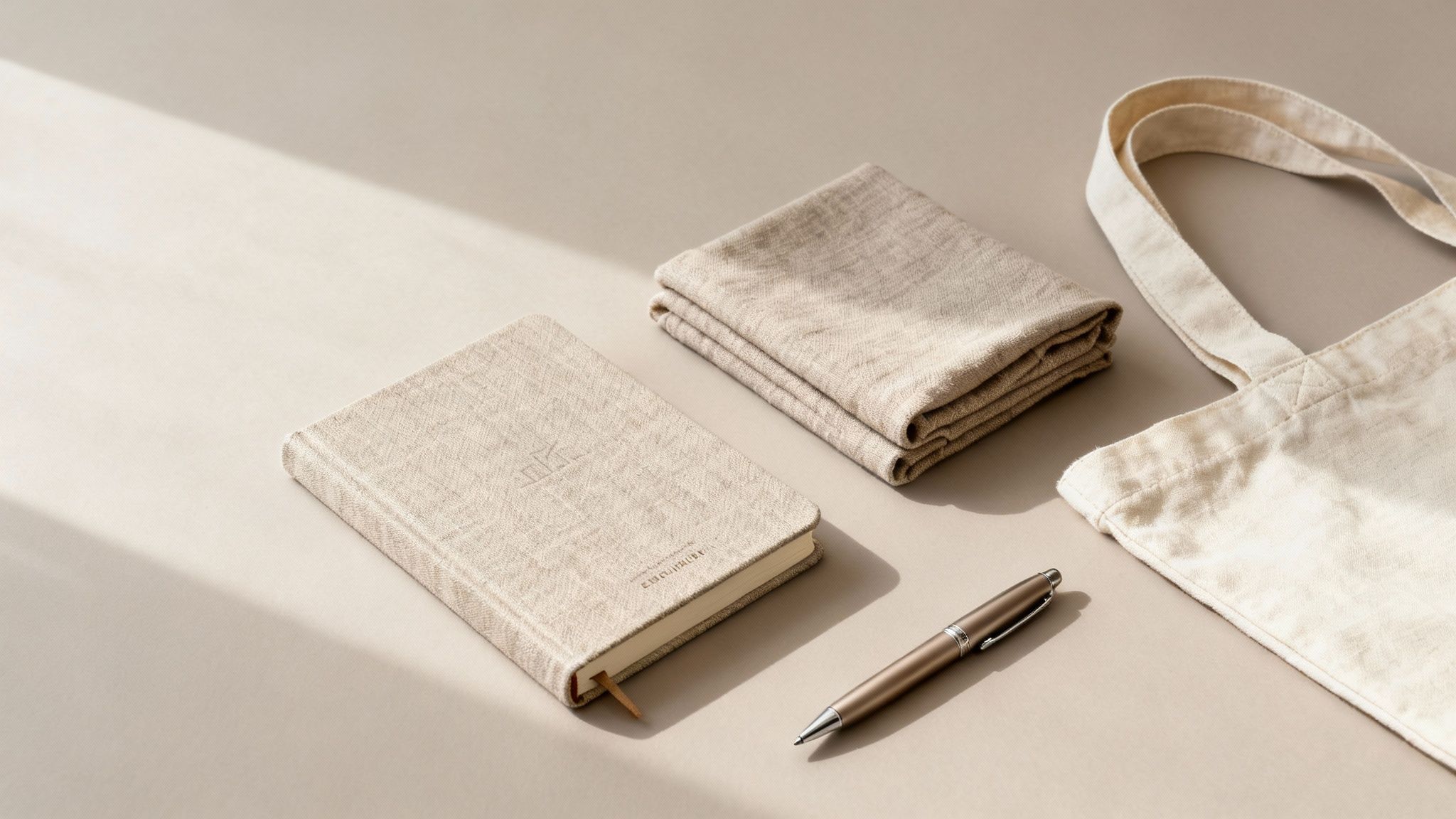
La psicologia alla base di tutto ciò è semplice: un oggetto utile e di alta qualità entra a far parte della vita quotidiana del cliente. Ogni volta che lo utilizza, rappresenta un promemoria discreto e positivo del vostro marchio. Non si tratta semplicemente di apporre il logo su un oggetto a caso; è un modo strategico per dimostrare di apprezzare sinceramente la sua fedeltà. Il gadget giusto non viene percepito come una trovata di marketing, ma come un regalo pensato con cura.
Integrare la merce nel percorso del cliente
Per ottenere il massimo dai vostri articoli personalizzati, non limitatevi a utilizzarli solo per eventi singoli. La vera magia si crea quando li integrate nei momenti chiave del percorso del cliente, rafforzando la relazione in ogni fase.
Ecco alcune idee per mettere in pratica tutto ciò:
- Fai un'ottima prima impressione: in una fiera, regalare una penna di qualità e dal design elegante, anziché una di plastica economica, comunica immediatamente i tuoi standard. Spesso è il primo contatto fisico che una persona ha con la tua azienda, quindi fai in modo che sia memorabile.
- Accogli i nuovi clienti con stile: un kit di benvenuto è un modo fantastico per iniziare una nuova relazione. Immagina un nuovo cliente che riceve una confezione di alta qualità con un taccuino personalizzato, una robusta borsa e un biglietto di benvenuto scritto a mano. Lo farà sentire apprezzato fin dal primo giorno.
- Celebra i traguardi più importanti: festeggiare il primo anniversario di un cliente con un regalo a sorpresa è una classica mossa "sorprendente e piacevole" che funziona a meraviglia. È inaspettata, crea una forte spinta emotiva e può trasformare un cliente soddisfatto in un sostenitore entusiasta.
La psicologia di un dono tra le mani
Un oggetto fisico fa leva su alcuni potenti meccanismi psicologici. Uno dei più importanti è l' effetto dotazione , che in sostanza significa che attribuiamo un valore maggiore agli oggetti che possediamo fisicamente. Quando offrite a un cliente un articolo di marca di qualità, questi, inconsciamente, gli attribuisce un valore maggiore e, di conseguenza, anche al vostro marchio.
Questo è più importante che mai. Il comportamento dei consumatori sta cambiando e la fedeltà al marchio sta diventando un club molto più esclusivo. Secondo il Consumer Trends Report 2025 di Attentive , il 38% degli acquirenti dichiara di essere fedele a cinque o meno marchi. Si tratta di un enorme balzo rispetto al 22% del 2023. Con questa tendenza, ogni interazione conta se si vuole conquistare un posto ambito nella loro cerchia ristretta.
Un punto digitale è solo un numero astratto su uno schermo. Una penna di buona fattura, una borsa robusta o un'elegante agenda sono oggetti reali che occupano uno spazio fisico nella vita di un cliente. Questa presenza quotidiana è qualcosa che i premi digitali non possono replicare.
Come scegliere i prodotti giusti
Scegliere la merce giusta è assolutamente fondamentale. Un articolo di scarsa qualità può fare più male che bene, dando al tuo marchio un'immagine scadente. L'obiettivo è selezionare prodotti che non solo siano realmente utili, ma che si adattino perfettamente all'identità del tuo marchio e alla vita dei tuoi clienti.
Ecco un semplice schema che utilizzo per guidare il processo di selezione:
- Rifletti i valori del tuo marchio: il tuo marchio si fonda sulla sostenibilità? Opta per prodotti ecocompatibili come penne in bambù o borse in cotone riciclato. Se sei un marchio di lusso, scegli articoli eleganti con finiture in metallo che trasmettano una sensazione di solidità.
- Dai priorità all'utilità reale: il prodotto migliore è quello che i tuoi clienti useranno davvero, più e più volte. Pensa alle loro abitudini quotidiane. Trascorrono molto tempo in ufficio? Un set di quaderno e penna di alta qualità è un'ottima idea. Sono sempre in movimento? Una tazza da viaggio resistente o un portachiavi elegante sono più adatti.
- Insistete sulla qualità: questo non è negoziabile. Non scendete mai a compromessi sulla qualità per risparmiare pochi centesimi. L'oggetto che distribuite è un riflesso diretto degli standard della vostra azienda. Una penna che si rompe dopo due utilizzi lascerà un'impressione negativa duratura.
Integrando con cura articoli promozionali di alta qualità e utili nella tua strategia di fidelizzazione, crei punti di contatto concreti che costruiscono un legame emotivo duraturo. Questo semplice accorgimento può contribuire a trasformare i clienti in una community di veri appassionati del marchio. Se desideri approfondire l'argomento, la nostra guida su cosa sono gli articoli promozionali è un ottimo punto di partenza.
Misurare l'impatto reale delle proprie iniziative di fidelizzazione
Investire in iniziative di fidelizzazione sembra la scelta giusta, ma come si fa a dimostrare che funzionano davvero? Per qualsiasi responsabile marketing o titolare di una piccola impresa, passare dall'intuito ai dati concreti è fondamentale. Non si tratta solo di giustificare il budget, ma di capire cosa funziona davvero con i clienti, in modo da poter replicare le strategie vincenti e modificare quelle meno efficaci.
La buona notizia è che le aziende stanno effettivamente ottenendo un ritorno su questi sforzi. Secondo il Global Customer Loyalty Report 2025, le aziende investono ora in media il 31,4% del loro budget di marketing in programmi di fidelizzazione e CRM. E sembra che siano soldi ben spesi: ben l' 87% dei professionisti della Customer Experience afferma che i propri programmi di fidelizzazione offrono un ROI misurabile.
Le metriche che raccontano davvero la storia
Per avere un quadro completo, è necessario guardare oltre i semplici dati di vendita. La vera fedeltà si manifesta nel comportamento dei clienti nel tempo. Monitorando i parametri giusti, è possibile valutare chiaramente l'impatto del programma fedeltà.
Ecco una tabella di riferimento rapido con i KPI più importanti per iniziare. Questi sono i numeri che ti daranno un'idea concreta se i tuoi sforzi stanno dando i loro frutti.
Indicatori chiave per misurare la fedeltà dei clienti
| metrico | Cosa misura | Come calcolarlo |
|---|---|---|
| Valore a vita del cliente (CLV) | Il ricavo totale che puoi aspettarti da un singolo cliente durante l'intero rapporto con la tua azienda. | (Valore medio di acquisto) x (Frequenza media di acquisto) x (Durata media del rapporto con il cliente) |
| Net Promoter Score (NPS) | La soddisfazione del cliente e la sua propensione a raccomandare il vostro marchio ad altri. | % dei promotori - % dei detrattori |
| Tasso di riacquisto | La percentuale di clienti che tornano per effettuare un secondo (o terzo, o quarto) acquisto. | (Numero di clienti abituali / Numero totale di clienti) x 100 |
Questi tre parametri sono le fondamenta della tua strategia. Un CLV in crescita, un NPS elevato e un alto tasso di riacquisto sono tutti chiari segnali che stai costruendo relazioni autentiche e durature con i tuoi clienti.
Per analizzare a fondo la redditività, è fondamentale comprendere appieno come calcolare il Customer Lifetime Value (LTV) e come questo si colleghi al valore medio dell'ordine (AOV).
Collegare le proprie azioni a risultati concreti nel mondo reale
Monitorare questi numeri è una cosa, ma la vera magia avviene quando li si collega ad azioni specifiche. È così che si può dimostrare il valore di elementi che potrebbero sembrare difficili da misurare, come l'invio di gadget promozionali.
Ecco un metodo pratico. Dividete una parte dei vostri clienti in due gruppi. Il Gruppo A riceve un omaggio di benvenuto esclusivo con il vostro marchio quando si iscrive al programma fedeltà. Il Gruppo B, il gruppo di controllo, non lo riceve.
Fai un salto avanti di sei mesi e confronta il CLV e i tassi di riacquisto per entrambi i gruppi. Se il Gruppo A mostra un CLV superiore del 15% , avrai dati concreti che dimostrano il ROI di quel regalo di benvenuto.
L'obiettivo non è solo misurare la fedeltà, ma comprenderne i fattori determinanti. Isolando le variabili, come l'impatto di un regalo a sorpresa o di un evento esclusivo, è possibile elaborare un business case per le strategie specifiche che creano i legami più solidi con i clienti.
Un calcolo pratico del ROI
Analizziamo un esempio semplice e realistico per capire come funziona.
Immaginate un piccolo negozio online con sede nel Regno Unito che decide di investire 2.000 sterline in una campagna di fidelizzazione. Utilizza questo budget per inviare 200 borse tote di alta qualità con il proprio marchio come regalo "a sorpresa" ai suoi migliori clienti.
Ecco come potrebbero calcolare il ritorno sull'investimento (ROI):
- Monitora i destinatari dei regali: nei sei mesi successivi, i 200 clienti che hanno ricevuto una borsa tote hanno un tasso di riacquisto medio del 75% e spendono in media 60 sterline per ordine.
- Osserviamo il gruppo di controllo: nello stesso periodo, un gruppo simile di clienti che non ha ricevuto un omaggio ha registrato un tasso di riacquisto di appena il 55% e un valore medio dell'ordine di 55 sterline.
- Calcoliamo l'incremento: i clienti che hanno ricevuto il regalo hanno generato un fatturato aggiuntivo di 3.300 sterline (10.800 sterline contro 7.500 sterline). Questo aumento è direttamente collegato al miglioramento della loro fidelizzazione.
- Calcola il ROI: sottrai l'investimento iniziale di 2.000 sterline dalle entrate aggiuntive e otterrai un profitto netto di 1.300 sterline . Si tratta di un ROI solido del 65% .
Improvvisamente, un gesto "opzionale" si trasforma in una strategia comprovata per generare ricavi. Questo tipo di approccio basato sui dati non solo convalida il tuo lavoro, ma dimostra anche come iniziative di fidelizzazione intelligenti contribuiscano direttamente a ridurre i costi complessivi di acquisizione clienti. Se desideri approfondire l'argomento, consulta la nostra guida su come ridurre i costi di acquisizione clienti .
Costruire una vera lealtà: un riassunto
Migliorare la fidelizzazione dei clienti non significa più limitarsi alle semplici transazioni, ma costruire relazioni durature. Ciò implica colmare il divario tra la propria percezione e la realtà dei clienti, creando esperienze memorabili. Ricapitolando, una strategia di successo combina:
- Programmi di valore: Progetta programmi fedeltà con premi tangibili e desiderabili che trasmettano un autentico apprezzamento, e non siano solo una strategia di marketing.
- Esperienze indimenticabili: sfrutta la personalizzazione e dai al tuo team la possibilità di creare momenti di "sorpresa e piacere" che dimostrino ai clienti quanto tieni a loro.
- Connessioni tangibili: sfruttate i prodotti di marca di alta qualità per creare un legame fisico e quotidiano con il vostro pubblico, un'esperienza che i canali digitali non possono replicare.
- Decisioni basate sui dati: misura ciò che conta davvero, come il CLV (Customer Lifetime Value) e i tassi di riacquisto, per dimostrare il ROI (ritorno sull'investimento) dei tuoi sforzi e perfezionare il tuo approccio.
Concentrandoti su questi pilastri, puoi trasformare gli acquirenti occasionali in appassionati sostenitori del tuo marchio.
Pronti a creare quei legami tangibili che costruiscono una fedeltà duratura? Noi di Persopens siamo specializzati in penne promozionali di alta qualità e articoli personalizzati che fanno sentire i vostri clienti veramente apprezzati. Esplorate le nostre collezioni accuratamente selezionate e trovate gli articoli perfetti per potenziare la vostra strategia di fidelizzazione oggi stesso.


0 commenti